

Robotic Total Hip Replacement Surgery
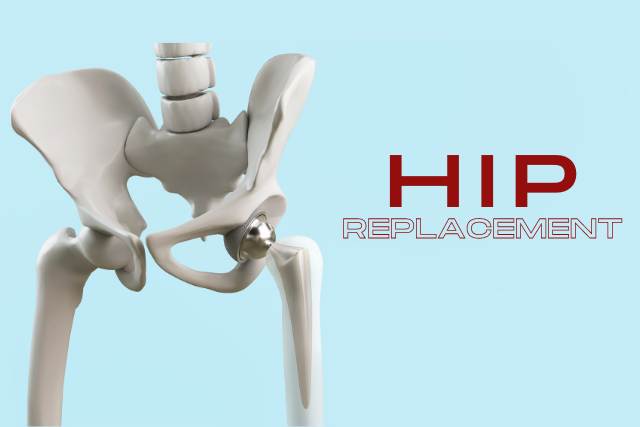
What is Robotic Total Hip Replacement?
Mako robotic arm-assisted total hip replacement represents a significant advancement in orthopedic surgery, particularly in hip arthroplasty. This technology leverages the precision and consistency of robotic assistance to enhance the outcomes of total hip replacement surgeries. Here is how it works and the benefits it offers:
How It Works:
- Pre-Operative Planning: Before surgery, a CT scan of the patient’s hip is performed. This scan is used to generate a 3D model of the patient’s hip anatomy. The surgeon uses this model to plan the hip replacement in detail, including implant size and placement.
- Intra-Operative Assistance: During surgery, the Mako robotic arm assists the surgeon by providing real-time 3D visualization. This helps the surgeon precisely follow the pre-operative plan, prepare the bone accurately, and position the implant according to predetermined specifications.
- Precision and Accuracy: The robotic arm enhances surgical precision and consistency, enabling accurate bone cuts and optimal implant placement, which are critical for surgical success.
Benefits:
- Improved Outcomes: Robotic precision leads to better alignment and positioning of the hip implant, improving long-term function and implant longevity.
- Less Invasive: Targeted bone preparation and reduced soft tissue damage make the procedure potentially less invasive than conventional techniques.
- Quicker Recovery: Reduced tissue trauma and accurate implant placement may result in less post-operative pain and faster recovery.
- Customization: Pre-operative 3D planning allows customization of the surgery to the patient’s anatomy, improving implant fit and function.
Conclusion:
Mako robotic arm-assisted Robotic Total Hip Replacement Surgery in Sarjapur Road Bangalore is a state-of-the-art procedure that combines advanced imaging, robotic technology, and surgical expertise to improve hip replacement outcomes. It represents a shift toward more personalized, precise, and minimally invasive orthopedic surgery. Patients should discuss with their surgeon whether robotic-assisted or traditional techniques are best suited for their condition.
FAQs
When Dr Rewat suggests a Robotic Total Hip Replacement, you will most probably have a lot of queries.
Here, he addresses the most common queries we receive from our patients.
How does Robotic Total Hip Replacement differ from traditional hip replacement surgery?
Unlike traditional hip replacement surgery, which relies on manual techniques and measurements, robotic-assisted surgery uses advanced technology to create a personalized surgical plan based on the patient’s anatomy. This allows for greater accuracy in implant placement and potentially better outcomes.
Who is a candidate for Robotic Total Hip Replacement surgery?
Candidates for robotic total hip replacement typically include patients with severe hip arthritis, hip pain, or joint damage who have not improved with conservative treatments such as medication or physiotherapy. Your orthopedic surgeon will evaluate your condition to determine suitability.
What is the recovery process like after Robotic Total Hip Replacement surgery?
The recovery process varies between individuals but generally includes physiotherapy, pain management, and gradual increase in activity. Most patients resume light activities within a few weeks and achieve full recovery within a few months.
How long does the Robotic Total Hip Replacement surgery take?
The duration of robotic total hip replacement surgery depends on individual anatomy and procedural complexity. On average, the surgery takes approximately two to three hours.
Will I be able to move and bear weight on my hip normally after Robotic Total Hip Replacement surgery?
Yes, one of the primary goals of robotic-assisted hip replacement is to restore normal hip movement and weight-bearing ability. With proper rehabilitation, most patients experience significant improvement in mobility and pain relief.
Is Robotic Total Hip Replacement surgery covered by insurance?
In many cases, robotic total hip replacement surgery is covered by insurance. Coverage varies depending on the insurance provider and policy, so it is recommended to confirm details with your insurance company.