

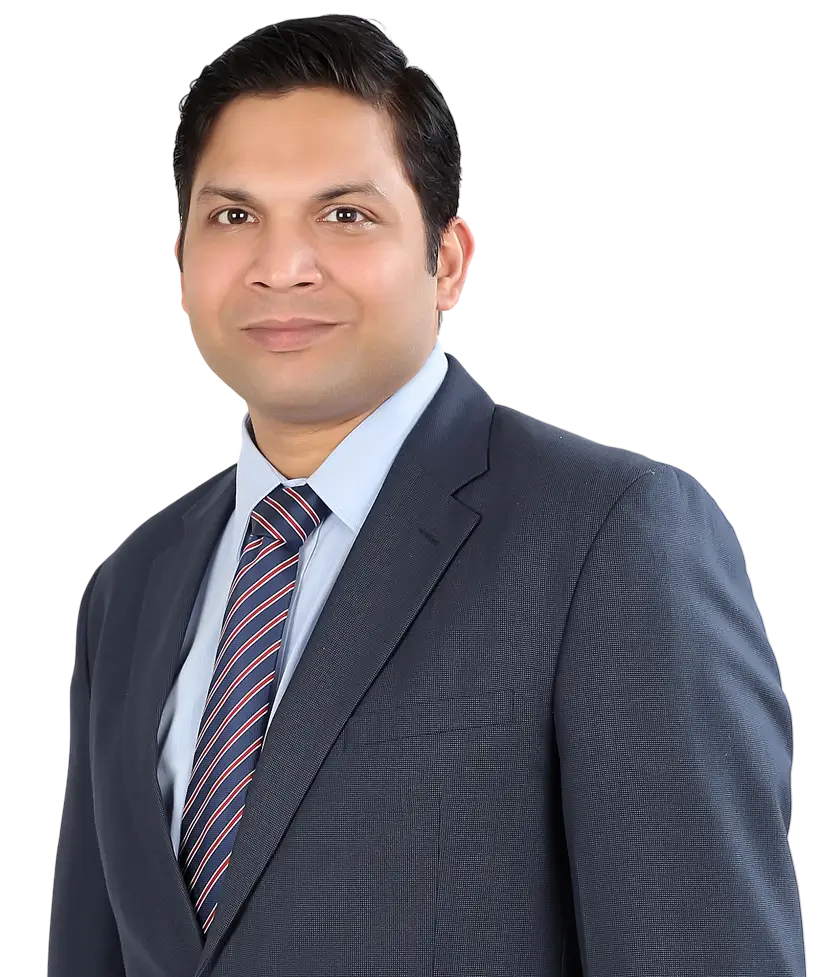
Back on Your Feet, Free of Pain.
Led by Dr Rewat Laxman (D'Orth, DNB Orthopaedics), a leading orthopaedic surgeon in Bangalore and senior consultant for joint replacement and sports injuries at Manipal Hospital, Sarjapur Road — with clinic visits and physiotherapy in Koramangala.
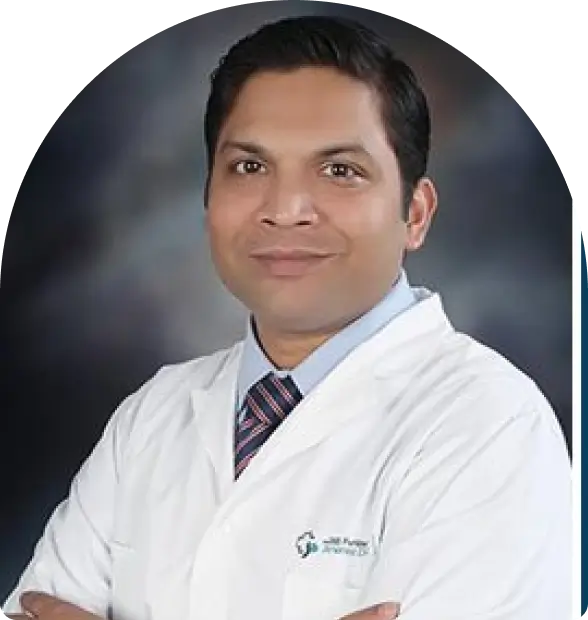
Dr Rewat Laxman
MBBS, D'Orth, DNB OrthopaedicsTrained at Bangalore Medical College, Dr Laxman is widely recognised as the best orthopaedic surgeon in Bangalore and one of the few orthopaedic surgeons to pass DNB Orthopaedics on the first attempt. As a dedicated sports orthopaedic and shoulder specialist doctor, his work centres on joint replacement, keyhole surgery, and complex trauma — including first-time and revision replacements of the hip, knee, and shoulder.
Care that earns your confidence
No pressure and no guesswork. This is the path from your first appointment to a full recovery.
Come prepared.
Bring earlier reports, X-ray films and MRI scans, jot down your questions, and arrive five minutes early.
Understand your condition.
Your diagnosis is explained in everyday words — often with diagrams — and includes a clear, step-by-step recovery plan.
Gentler options first
Medicines, injections, physiotherapy and lifestyle changes come first; surgery is advised only when they stop helping.
Recover with support.
Rehab can begin on the day of surgery, and follow-up visits steer you back to unrestricted activity.
Comprehensive Care, Tailored Care for You
We prioritise conservative, minimally invasive treatments that help you heal naturally. Surgical intervention is recommended only when persistent pain or stiffness significantly impairs your quality of life.
Knee
Worn cartilage, torn ligaments and meniscus injuries are managed with joint-saving osteotomy, keyhole repair or, when needed, robotic replacement.

Hips
When conservative care stops easing pain, advanced hip replacement surgery in Bangalore using total or Mako robotic-arm techniques can restore mobility.

Shoulder
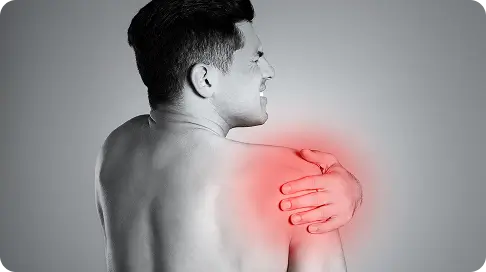
Pain when lifting or joint instability can be evaluated by an experienced shoulder specialist doctor and fixed through keyhole surgery or total joint replacement.
Robotics
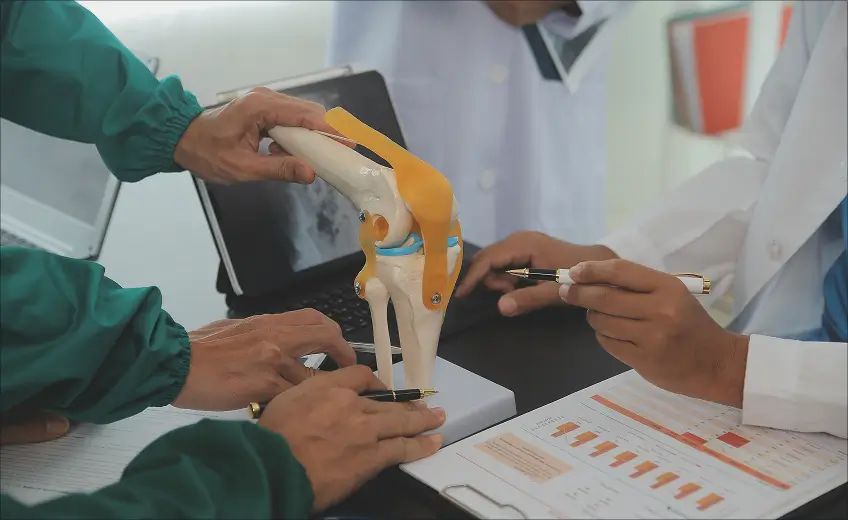
Your joint is mapped from a CT scan into a 3D plan, and robotic surgery helps carry out that plan precisely in the theatre.
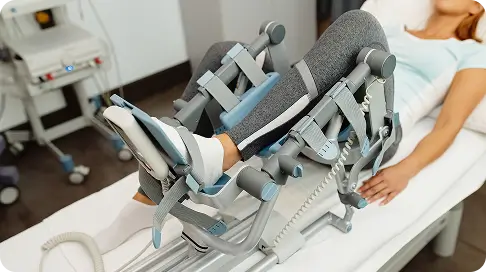
Care Beyond the Operating Theatre
The operation takes a single day. Diagnosis, planning, rehab and follow-up fill the weeks around it.
Manipal Hospital, Sarjapur Road — where Dr Laxman consults and operates
Dr Laxman is Senior Consultant, Orthopaedics at this NABH- and NABL-accredited hospital, part of the Manipal Hospitals group. Its medical, surgical and nursing teams support every patient before and after surgery.
Joint Replacement
First-time and revision replacements of the hip, knee and shoulder, with robotic assistance where it is helpful.
Arthroscopy & Sports Injury
Keyhole repair of ACL, PCL and meniscus tears, rotator cuff injuries and unstable shoulders.
Trauma & Fractures
Complex fractures and trauma are handled promptly — urgent cases are seen without delay.
Everyday Conditions
Relief for lower back pain, carpal tunnel syndrome and trigger finger.
Physiotherapy & Rehab
Musculoskeletal physiotherapy in the same clinic, with rehab that can start on the day of surgery.
3D Surgical Planning
A pre-operative CT scan turns your joint into a 3D model, so implant size and fit are set before surgery.
What to expect, in plain words
Damaged knee surfaces are capped with metal and medical-grade plastic implants. A CT-based 3D plan and a robotic arm with live feedback help position every part precisely.
A pre-surgery CT scan turns your knee into a 3D model for detailed planning.
During surgery, the robotic arm guides implant placement, and computer checks confirm alignment before fixing.
Most people take their first steps with a walker that same evening, helped by a physiotherapist.
Your torn ACL is rebuilt through small keyhole cuts, using a graft from your hamstring or patellar tendon, held in place with bio-screws that usually dissolve within a year.
The best window for surgery is usually two to three weeks after the injury.
Walker support for around two weeks; most people walk without crutches by week four.
Swim and cycle from about six weeks, jog at 10–12 weeks, and return to twisting sports at 7–9 months.
The worn hip joint is swapped for artificial parts. A CT-built 3D plan and the Mako robotic arm help the surgeon shape the bone and seat the implant as planned.
A CT scan maps your hip in 3D to decide implant size and position in advance.
In theatre, live 3D guidance from the robotic arm keeps bone cuts and implant placement on target.
Physiotherapy starts the next day — two to three sessions a week for six to eight weeks.
The torn tendon is fixed back onto the arm bone with suture anchors through three or four keyhole incisions. Bigger tears may need a double-row repair.
A sling supports the shoulder for roughly three weeks while the repair heals.
The next six weeks focus on getting shoulder movement back with physiotherapy.
Strength work starts around week seven or eight; most people can drive a car again at four to six weeks.
Straight from Dr Laxman
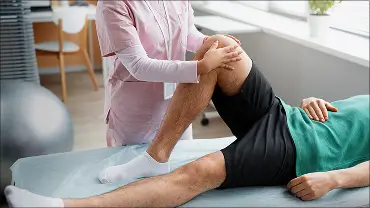
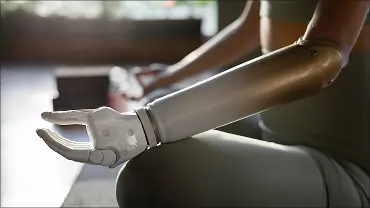
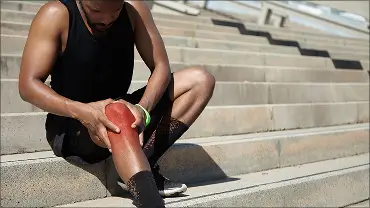
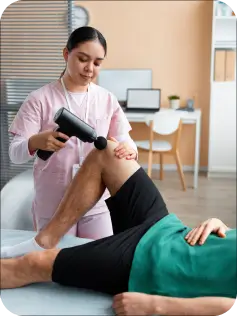
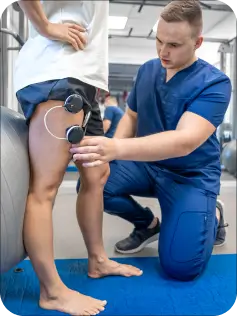
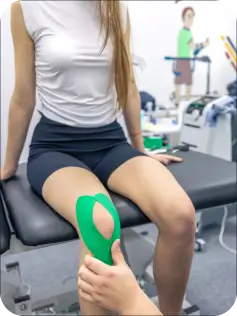
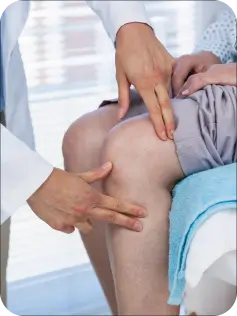
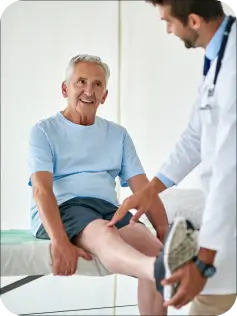
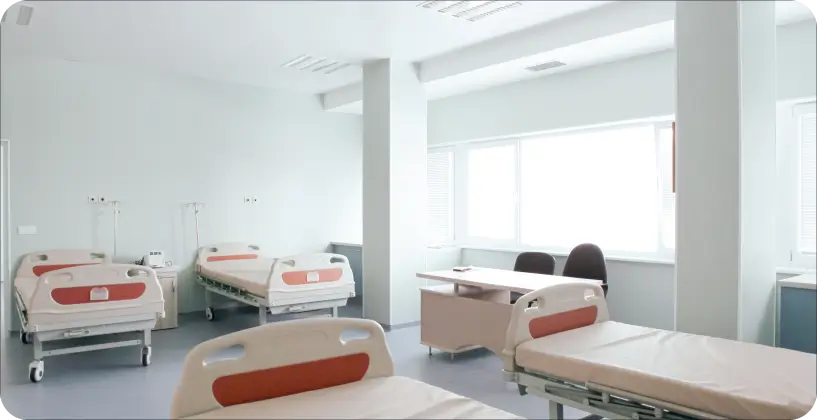
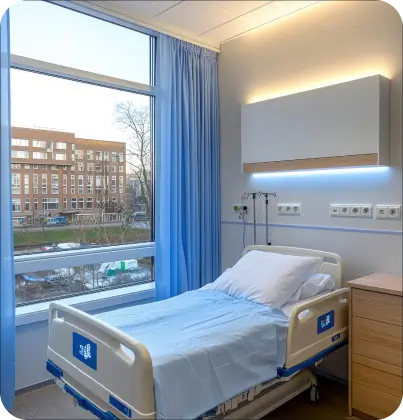
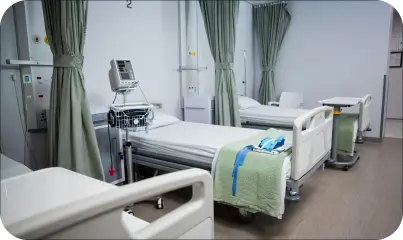
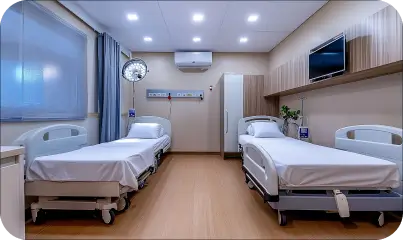
The rooms you'll actually see
Consultation, theatre and recovery —
Koramangala clinic and Manipal
Hospital, Sarjapur Road.

Credentials &
Milestones
Robotic Joint Replacement Programme
Manipal Hospital, Sarjapur Road
Member, Indian Arthroscopy Society
National professional body for arthroscopic surgery
Workplace Ergonomics Advisory
Multinational technology firms, Bengaluru
Fellowship in Joint Replacement & Sports Medicine
Advanced arthroplasty and arthroscopy training
DNB Orthopaedics — cleared in first attempt
National Board of Examinations, New Delhi
Clear answers to common worries
Not necessarily. As an experienced orthopaedic doctor, Dr. Laxman suggests surgery only once non-surgical options like medicines, injections, physiotherapy, or lifestyle changes stop providing relief.
With proper aftercare and lifestyle changes, most knee and hip replacements keep working well for 20–25 years.
It helps carry out the plan. A CT scan creates a 3D model of your joint for planning; during surgery, the robotic arm gives the surgeon live feedback so bone cuts and implant position match that plan.
That varies by surgery: roughly 2–8 weeks after hip replacement, at least 6 weeks after ACL reconstruction, and 4–6 weeks (car) or 8–12 weeks (two-wheeler) after rotator cuff repair.
Yes — private and corporate insurance covers major procedures to offset treatment and hip replacement costs. While the clinic does not offer direct cashless processing, our team assists you in filling out reimbursement documentation.
Earlier medical records, X-ray films and any MRI or scan reports. Note down your questions and aim to arrive five minutes early.