

ACL Reconstruction
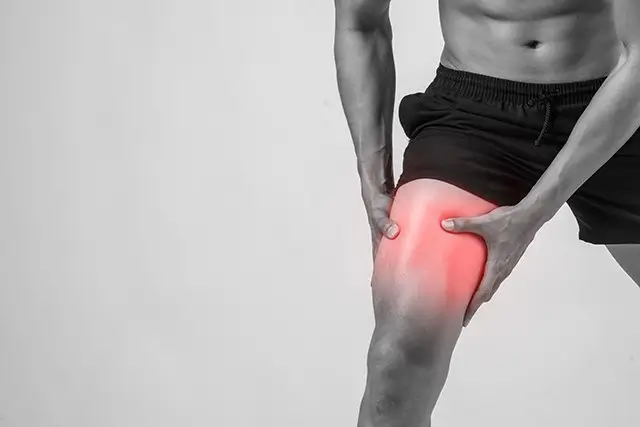
What is ACL Reconstruction?
ACL Reconstruction in Koramangala Bangalore is a surgical procedure performed to reconstruct an important knee ligament called the anterior cruciate ligament. The ACL is one of the major ligaments that crosses the front of the knee and connects the thigh bone to the shin bone. This ligament is commonly injured during sports activities. The surgery is usually performed using minimally invasive arthroscopic techniques.
How does an ACL Injury Occur?
The ACL is often injured during activities that put stress on the knee, such as:
- Rapidly changing direction or speed while running
- Pivoting on the knee
- Direct blow to the knee
- Stopping abruptly while running
- Landing improperly from a jump
When is ACL Reconstruction Recommended?
ACL reconstruction may be recommended in the following situations:
- Athletes who wish to return to sports
- Young or active individuals who maintain an active lifestyle
- Injury to multiple knee ligaments
- Injury to the knee meniscus along with an ACL tear
What happens if an ACL injury is left untreated?
If left untreated, an ACL tear can cause the knee to buckle or give way during physical activity, especially during twisting or side-stepping movements. This may lead to early arthritis, loss of knee control, and frequent falls.
Preparing for ACL Reconstruction
In preparation for surgery, you may be advised to:
- Perform exercises to strengthen the muscles around the knee and improve range of motion
- Inform Dr. Laxman about your current medications and allergies
- Undergo certain tests to ensure you are fit for surgery
- Follow Dr. Laxman's instructions regarding medications and fasting before surgery
What happens during ACL Reconstruction?
The surgery is usually performed under spinal anaesthesia. The doctor often speaks to the patient during surgery, allowing you to choose whether you prefer to remain awake or sleep through the procedure. Small keyhole incisions are made around the knee, through which an arthroscope and specialized surgical instruments are inserted. The arthroscope provides a magnified view of the knee joint. Dr. Laxman prepares the damaged ACL and reconstructs it using a graft taken from a portion of healthy tendon from the hamstring or patellar region. Tunnels are created to position the graft accurately in its anatomical location, and it is secured using bio-screws, which usually dissolve within a year. Local anaesthetic may be infiltrated at the end of the procedure to help control post-surgical pain. A surgical dressing is applied to protect the incision sites.
Recovery after ACL Reconstruction
Following arthroscopic ACL Reconstruction in Sarjapur Road Bangalore, most patients can return home on the same day or after an overnight stay. Medications are prescribed to control post-surgical pain and swelling. The use of crutches and a knee brace may be required for a few days after surgery. You will receive instructions on wound care and daily physiotherapy exercises to speed up recovery.
FAQs
How soon can I have surgery for a torn ACL?
In most cases, the ideal time for ACL reconstruction is 2–3 weeks after the injury. This timing helps prevent muscle wasting and knee stiffness, leading to faster recovery. During this period, physiotherapy and rehabilitation, known as pre-habilitation, are recommended. Dr. Rewat prescribes an individualized pre-hab protocol for each patient.
If there has been a delay in diagnosis and the knee has become stiff, several weeks of rehabilitation may be required to restore movement before surgery can be safely performed.
A few weeks of pre-habilitation can significantly reduce overall recovery time.
Can I delay surgery for an ACL tear?
ACL reconstruction is not an emergency procedure and can often be delayed to accommodate work or personal schedules. During this period, sports and activities involving sudden direction changes should be avoided. Ongoing physiotherapy is important during this time.
If additional injuries such as a meniscal tear are present and suitable for repair, surgery may be recommended sooner.
Can an ACL tear heal?
In most cases, ACL tears are complete tears, and the ligament has limited ability to heal on its own. This is partly because the tear occurs within the knee joint, which contains joint fluid that interferes with healing.
In some cases, partial healing may occur and provide limited stability. However, the healed ligament may be elongated, resulting in persistent knee instability.
What happens if I don't have an ACL reconstruction?
The ACL is crucial for knee stability, especially during twisting and pivoting movements. Without reconstruction, the knee often remains unstable, even if pain settles over time. Most patients are unable to return to competitive sports without surgery.
An unstable knee is also more likely to develop arthritis over the long term, although this does not occur in all patients.
What type of graft should I have for my ACL reconstruction?
Several graft options are available, with the most commonly used being the hamstring tendon. While graft choice is important, it is not the sole factor determining surgical success.
Dr. Rewat may recommend the following grafts:
- Bone–Patellar Tendon–Bone graft
- Hamstring graft
- Peroneus longus graft
All these are autografts, and the pros and cons of each option will be explained in detail.
How long do you have to be on crutches after ACL surgery?
Most patients use a walker for about 2 weeks while partially bearing weight on the operated leg. Full weight-bearing without crutches is usually possible after 4 weeks.
How long do you need a brace after ACL reconstruction?
Dr. Rewat advises wearing a long knee brace for 2 weeks, followed by a hinged knee brace for an additional 4 weeks.
What rehabilitation will I need after ACL reconstruction?
Physiotherapy is essential after ACL reconstruction. A physiotherapist will guide you through exercises aimed at restoring strength and movement. Exercises are usually performed for 20–30 minutes, three times a day during the first six weeks.
When can you start driving after ACL surgery?
You should avoid driving for at least 6 weeks after surgery. Driving an automatic car may be possible after this period, provided you can safely control the vehicle and stand on one leg for 2 minutes.
How soon can you return to work after ACL surgery?
Office work can usually be resumed after one week. Light physical duties may begin after 6 weeks, while manual labor is typically postponed until around 12 weeks after surgery.
Jobs involving ladders, scaffolding, or roofs should be avoided for at least 4 months after surgery.
When can I play sport after ACL reconstruction?
Swimming and cycling on an exercise bike can usually begin around 6 weeks after surgery. Jogging typically starts at 10–12 weeks.
Return to competitive sports and activities involving twisting and pivoting is usually allowed after 7–9 months.